
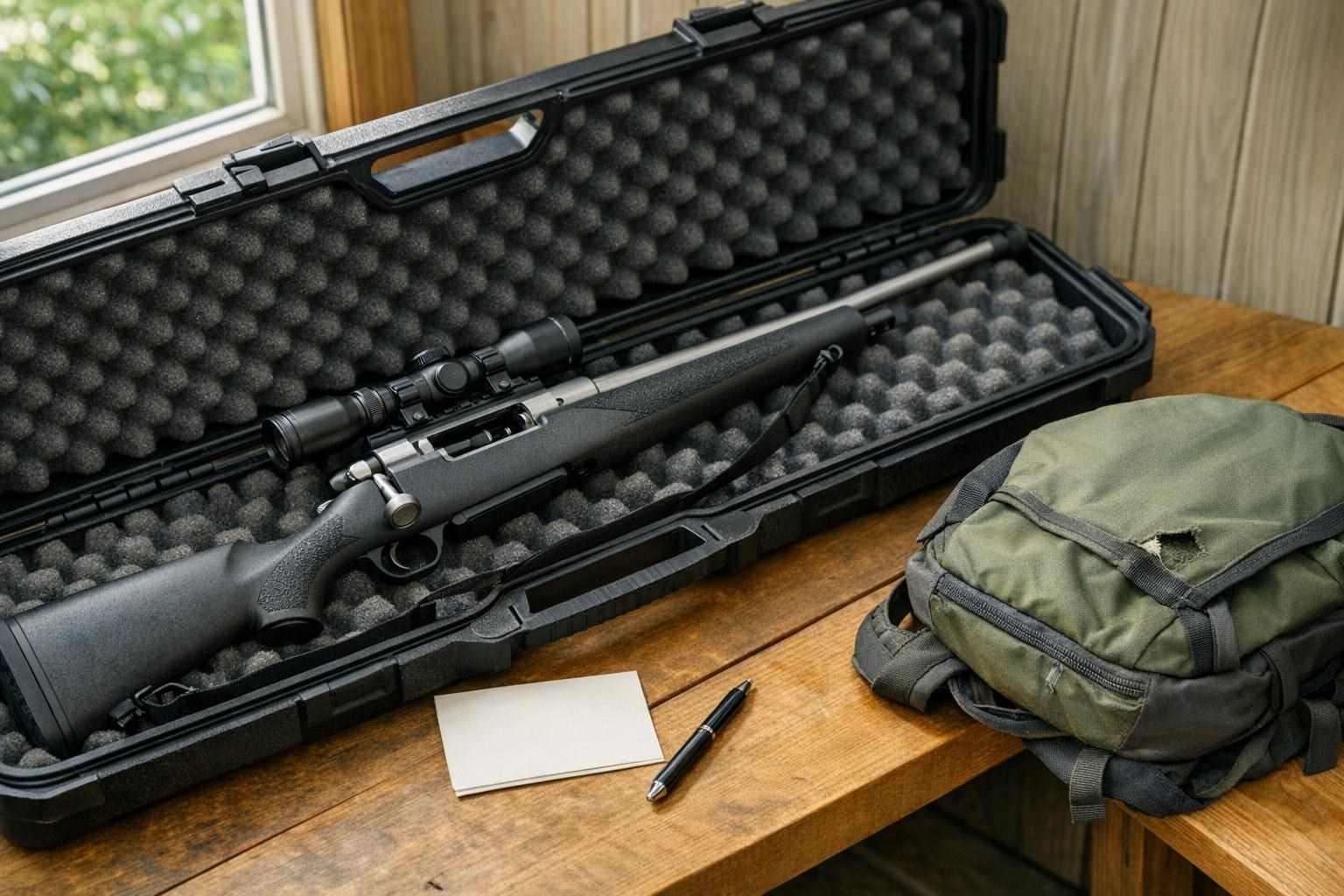
Borrowing a rifle, a pack, a trail camera or waders to solve a problem just before the hunt can solve many problems but returning the same amount of equipment in good condition is more than just returning things to a garage. Small oversights can occur easily when the borrowed items have been used in the mud, in the rain or even just in a messy camp. A personal checklist is a reliable way to test for safety, condition, completeness and ownership of borrowed items. The simple test is: Can the lender unpack all his items and even know what happened to them while he was out in the field?
Start the checklist when the gear changes hands
They could always ask to borrow the following items for a weekend hunting trip: a hunting rifle, soft case, binoculars and a daypack. The owner would explain where he stores the sling, spare batteries for his optics and the lens cloth, but this is all done on a very informal basis. Who remembers to list all the small items and to mention any wear?
A checklist of items to be returned begins with the list of gear that was borrowed. Starting the list as the gear is packed into a vehicle for return is easiest. Note any wear, any accessories that were supplied with borrowed items, and any special notes about how gear was to be cleaned prior to return. Also note any special storage notes or other safety-related routines of the owner of the gear.
Taking a photo of your note can be helpful to refer back to, but the best solution is to keep a printed copy of your note with the case. This way you can't forget anything and it's easy to add items that you didn't know you would need until later. Magazine pouches, rain covers, chargers, map cases and even cleaning kits can all be added to your original list of items to return.
Separate safety items from ordinary accessories
When it comes to formulating a return list, all things are not created equal. Items of a safety nature should be listed first, followed by less critical items.
For firearms, always treat them as you would wish them to be treated. Follow all safe handling practices. Always keep the rifle pointed in a safe direction. Always assume the rifle is loaded until you have personally verified that it is not. Never put your finger on the trigger until you have positively identified the rifle and are prepared to fire it. Always follow the borrower's safety rules and any other safety rules as dictated by local laws or the rifle's manufacturer. Refer to the current official hunting safety guidelines as well as the rifle's owner's manual for further information.
As well as making sure that all safety related items are returned in good working order, check other borrowed items for obvious signs of wear and that they have all been returned in the same condition in which they were lent. Missing lens caps are a nuisance, but missing safety items are often returned in a way that means they can't be used safely at all.
Clean according to material, not habit
Hunters must ensure that clean, dry, and serviceable equipment is returned to owners and that negative factors to serviceability are not introduced into returned gear. Gear must be cleaned of field debris and packed to allow to dry of any dampness. Do not seal up wet clothing, boots, or blind(s) in a tote or storage facility.
When cleaning borrowed Hunting gear always refer to the owners established care for the specific material. Do not use solvents on any surface, and never use lubricants on locks or Triggers. Disassemble a firearm only to the extent you are able to reassemble it safely and only in accordance with the owner's manual or with qualified guidance.
Do not add strong scenting to try and mask any unpleasant odors, unless the lent item owner has requested this. Remember, cleaned, dried and left neutral is far better than soiled with strong smells.
Check function before packing everything away
Check function! A simple check to see if all items are present and are still functional. Open all pockets, pouches and cases. Match all small parts with the corresponding item. Check if all batteries, cables, covers, straps and buckles are present. Test simple functions of items where it is safe to do so.
For optics, look for signs of grit or moisture on the lens. Gently wipe any such marks with a soft, lint-free cloth as needed. For packs and the like, check the zippers, buckles, seams and particularly the load bearing straps for any sign of failure. Boots and waders should be checked for separation, for punctures and for the possibility of debris getting trapped in the sole. Check simple functions like power on for cameras and other electronics, check that memory cards etc. are present and accounted for and make sure that all covers, etc. are present and in good condition.
If any of the items you have taken out for the trip fail any of the function checks then mark them clearly on your return checklist. If desired, take a photo of the item(s) and then report to the owner the finding(s) and whether or not the item(s) can still be used for other purposes.
Make damage notes factual and useful
A small tear near the corner of the side pocket of the pack that Alex had been using had caught on a branch and he had continued to wear the pack. The checklist entry for this item would be: "Tear in corner of side pocket of pack. Noticed today. OK to use".
Avoid confusing Cause with Diagnosis (i.e. state what happened but avoid trying to define why it happened) and especially avoid assigning blame. If a member caused damage in Return, have them note the fact and negotiate terms of repair or replacement with the Owner as appropriate – Owners have various options here including having it repaired by a particular shop or Put in Storage.
Though useful for dealing with disputes or for items that were so mislaid that no one can remember where they were, photos of damage are not the same as recording the damage in words. Be sure to keep a copy of the original notes with the returned checklist.
Rebuild the loan as a complete set
Use the same case or container that the owner used to pack his or her equipment for the hunting trip, and be sure to include all of the equipment's accessories in the case. Also, organize similar items, such as straps, clothing, etc., together within the case.
Now go through the list from the owner's perspective and pack it all back up again. If the owner had to open the case tomorrow would all his or her gear be in there, dry, safe and ready to be put away by whomever is storing it? This also includes any clothing or consumables that were borrowed. Some items are for use on the trip and need to be replenished. Others are for storage after the trip.
By returning the items of hire to store, Alex secures a rifle safely, checks optics are clean, ensures that all clothing and gear (including items such as the battery cover for the range finder that he had removed for the shoot) is returned in good order and that all items are cleaned and dried before being returned to storage.
A personal return checklist is most useful as part of your pre-season hunting preparations. You use the checklist when you take something, you update the checklist when you return from a trip, and you modify the checklist as the owner of the item gives you different instructions for its return. In the end, a good return checklist helps to protect your gear, gun safety and provides for a fair and respectful way of borrowing items for hunting.