
The County-Line Check: Making Sure You're Set for Out-of-Area Hunts
When you are going on a hunting trip knowing the rules and the laws of the place you are going to is very important. A hunting license is important. It does not mean you can hunt anywhere. Many people think that their license is enough. They find out too late that rules about when to hunt what tags are needed or where you can hunt have changed. To not come back empty-handed or break the law it is smart to check all the details before you go.
Knowing About Hunting Rights
Before you leave ask yourself these four questions:
1. Do you have a hunting license?
2. Is the time to hunt open for the animal you want?
3. Is the place you want to hunt allowed for hunting?
4. Are you allowed to hunt the animal you are looking for?
The answers can be found in places like websites, books and local offices. It is important to remember that even if your license is up to date you might still need tags or the time to hunt might be closed in the area you want to go to. Also different areas might have rules that can change your hunt.
Keep in mind that rules can change without any signs. The way the rules are written can be different in places especially when it comes to what animals are allowed what equipment is needed or how to report your hunt. Always check the official rules for the place you plan to hunt because old documents might not show the current rules.
Make a Rule Guide for Your Place
Don't start by looking up things like "deer rules" or "small game rules." Instead focus on your place: find out which area you are going to the management group or the hunting spot. Then get all the details about the animal you want how you plan to hunt and when.
A good note can help you remember the stuff:
– Area and Land Manager: Write down who is in charge of the land.
– Animal and Hunting Time: Note the animal and the time you are allowed to hunt.
– License and Check: Write down what kind of license you need.
– Tags, Permits and Authorizations: List any papers you need to hunt the animal.
– Equipment Rules: Write down what weapons or gear are allowed.
– Access Rules and Reporting: Note what you can. Cannot do and what you have to report.
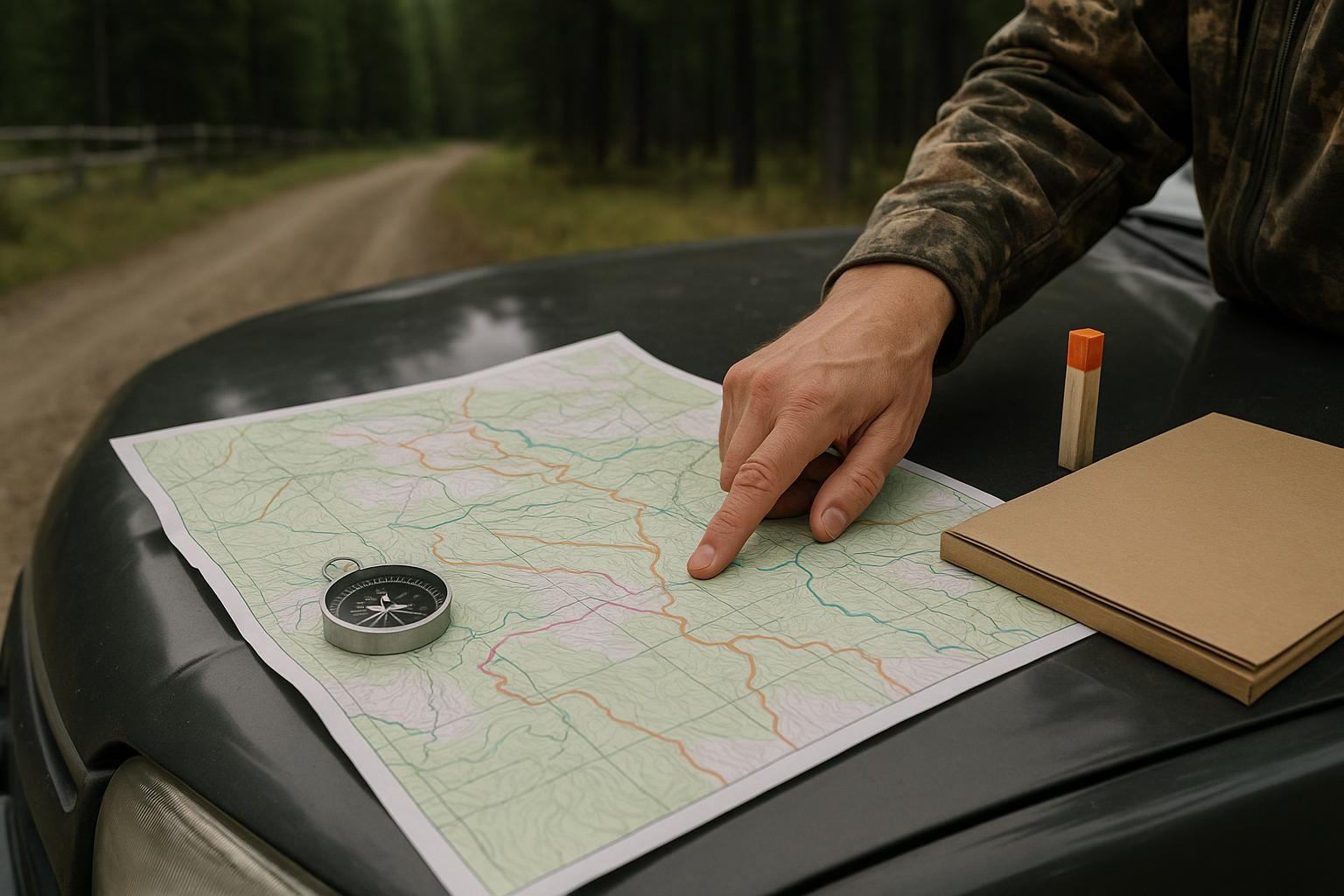
Having this information close by is more than paperwork. For example the time to hunt might be open for one animal. Closed for another or some papers might not work in certain places. If you are not sure about the lines get maps. Print out the rules to have them with you. A picture can be helpful when there is no signal. It is important to check the real rules before you go.
Check All Your Papers Carefully
Just because you have a receipt doesn't mean you are ready. This paper shows that you bought something but doesn't mean you got the papers or that any tags you needed were given. It is important to check your account or contact the office that gave you the papers.
Check:
– Area, Animal and Time: Make sure the details are correct.
– Paper Validity: Check how long your paper is good for and when it starts.
– What You Need to Carry: Know what you must bring and what you need to do after you hunt.
If something is not clear call the office before your trip of relying on what others say online. It is smart to have copies of your papers. Always be ready for problems like a phone that dies a broken screen or no signal.
A small waterproof bag with your papers, maps and emergency numbers can be very helpful. Learn the rules of the area you are going to of thinking a picture of your paper will be enough.
Choose Gear That Matches Your Paper
Your gear should always match the rules on your paper. If your paper has rules about the type of animal the place or how to hunt make sure your gear follows those rules. What works at home might not work where you are going.
Pack based on what you can do. Make sure you have your license ID and the tools you need to find and get your animal. Be careful not to bring things that might cause problems at the borders. If the rules are not clear think about waiting of risking a mistake.
Check if You Can Hunt the Area
Just because the time to hunt is open doesn't mean you can actually hunt. Many public areas have times when they are closed gates that are locked or rules that change. If you plan to hunt on land get permission from the owner. Even if you are allowed in it doesn't mean you can hunt, camp move on lands or get your animal.
Mark the places you want to go and the edges on a map. Plan how you would get your animal if needed especially if there are rivers or places that are not allowed. If the only way to get to your spot goes through a place where hunting is not allowed it is better to skip it than to cause problems later.
Respect the lines. Don't block gates or damage fences. Remember that making sure others can hunt in the future is as important as following the rules on your trip.
Call Before You Go
Before you leave set some rules to help you make choices when you are on your hunt. Know your limits with identifying animals the distance you can shoot and other safety steps. Decide what would stop you from shooting and think that the rules might be harder, than what you're used to.
Think about situations like missing a shot or your phone breaking. Learn the rules for reporting your hunt. Have the tools and papers you need to handle any problem. If you are not sure if an animal is yours check before you decide.
Before you leave check all the details of your trip: where you are going, when, which animal, your license, your paper, your access and the latest rules. Write this down; it is a habit that helps you report correctly after you hunt respects the land and helps the environment that lets us go hunting.