
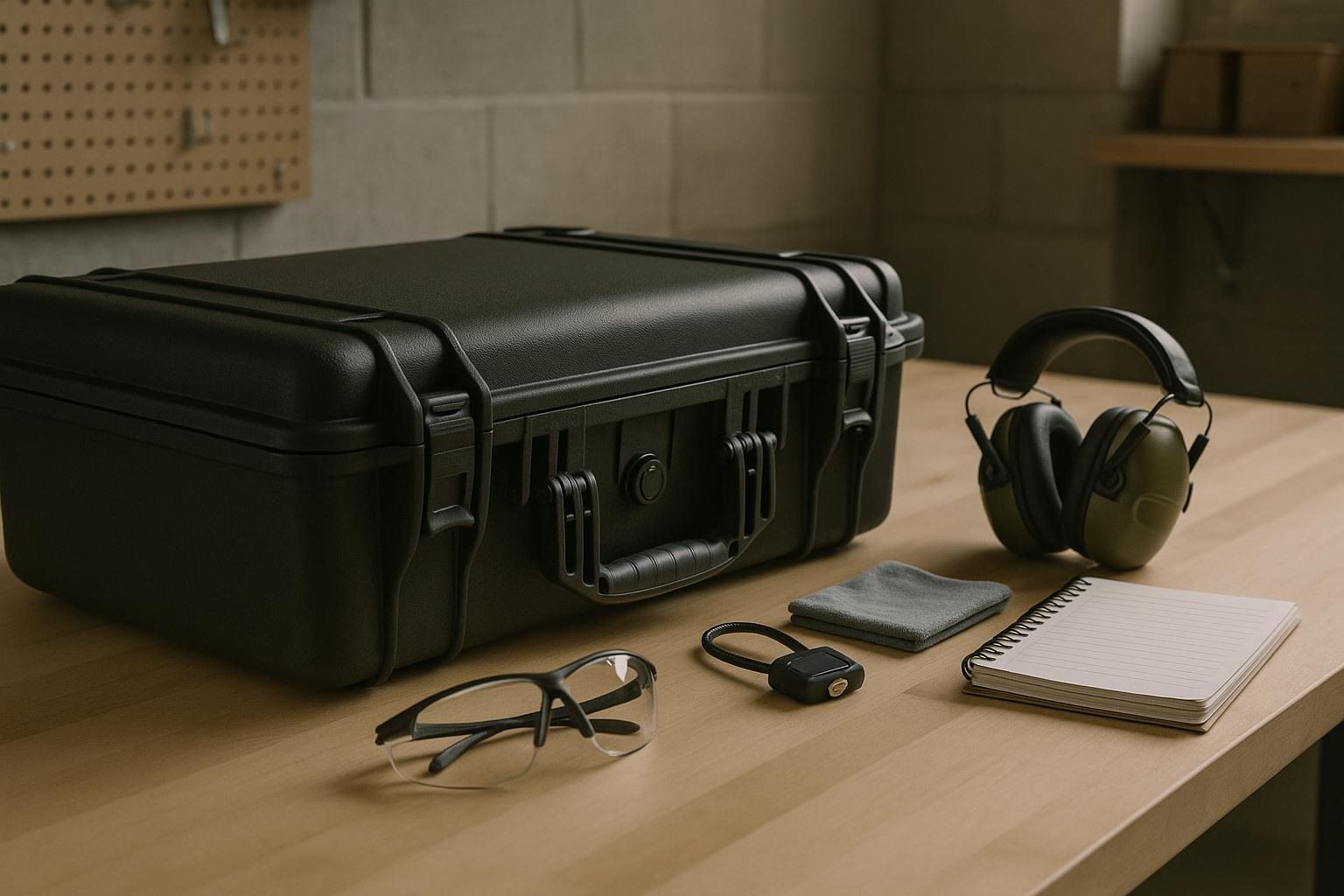
Many difficult days in the field are not caused by dramatic mistakes. They begin with a fraying strap, a misunderstood license detail or a firearm stored without a proper check. Preparation cannot control weather, animal movement or access, but it can remove avoidable distractions. The useful approach is less about buying more gear than noticing symptoms early, confirming what has changed and deciding honestly what is not ready.
Start with symptoms, not assumptions
A storage box can make equipment look fine while hiding problems. Before packing, handle each essential item and look for cracked plastic, flattened insulation, rust, loose stitching, stiff zippers, cloudy optics or corroded batteries. A headlamp that worked last season may still have a weak switch or unreliable contact.
Do not wait for a defect to become inconvenient in the field. Replace a buckle that opens under light pressure. Treat a boot sole separating at the toe as a repair decision, not a cosmetic issue. Water-resistant clothing that wets through a seam may need maintenance or replacement before it becomes a safety concern.
Test how items work together. Adjust the pack with the layers you expect to wear, and check that binoculars, calls, maps and phone controls are reachable without excessive movement. A setup that feels comfortable indoors may become awkward with gloves, cold hands or a heavier outer layer.
Make firearm checks deliberate and ordinary
Firearm safety should not be reduced to a last-minute glance. Follow the manufacturer's instructions and use a safe, controlled setting to inspect the firearm, sling, action, sights and storage condition. Keep the muzzle pointed in a safe direction, keep the action open when appropriate, and confirm that the firearm is unloaded before handling or transporting it.
Look for changes rather than attempting an improvised repair. Surface rust, a damaged sling attachment, a loose sight, unusual stiffness or a cracked stock deserves attention from a qualified professional. Never alter a safety mechanism or attempt a modification because a part feels inconvenient.
A function check is useful only when it can be completed safely and legally. If you are uncertain about a component, ammunition compatibility or the firearm's condition, stop and ask a qualified gunsmith or consult the manufacturer. A delayed outing is preferable to turning uncertainty into a field problem.
Review rules before the trip is fixed
Hunting regulations are not background reading to complete once and forget. Seasons, legal methods, licensing, tagging, land access and equipment restrictions can change, and requirements may differ by jurisdiction, species and type of land.
Use current official guidance for the place and species involved, checking close enough to the season to catch recent changes. Read the details rather than relying on a remembered summary. If a rule is unclear, contact the relevant wildlife agency or land manager; an old post or conversation is not verification.
Keep permits, identification and required documentation usable if a phone loses signal or power. Know what must be recorded, attached, reported or carried, and understand reporting deadlines. Because requirements can change during an active season, make a final review part of the departure routine.
Treat access and habitat as equipment
A smooth day depends on more than what is inside a pack. Confirm permission, parking, gates, access routes and seasonal closures. If conditions have changed, follow the land manager's current instructions rather than assuming last year's route remains appropriate.
Conservation decisions often appear small. Avoid widening muddy tracks, disturbing sensitive areas, leaving flagging or tape behind, or crossing closed ground for a shorter route. Carry out food packaging, damaged ties and other waste. Where fires, vehicles, bait, scouting cameras or portable stands are regulated, check the applicable rules before using them.
Pay attention to habitat while moving through it. Repeated pressure near bedding cover, water or narrow travel routes can affect wildlife and other users even when damage is not obvious. A less intrusive access point may be better if the alternative creates erosion, crowding or unnecessary disturbance.
Keep one short checklist, not a warehouse of reminders
A useful hunting checklist should catch omissions, not reproduce every object you own. Keep it short enough to use during preparation and again before departure. It might include:
– Current license, tags, permissions and regulation review
– Safe, unloaded firearm storage and a condition check
– Ammunition or other lawful equipment confirmed for the intended use
– Boots, clothing, rain layer, food, water and emergency supplies checked
– Navigation, communication and lighting tested, with a backup plan
– Vehicle, access route, gate information and weather reviewed
– Pack-out plan for waste, gear and any legally required field care
The point is not to make every trip elaborate. It is to identify what would force a stop, create a safety concern or cause an ethical problem if forgotten. If something is uncertain, mark it for resolution rather than mentally editing it out.
Know when to postpone or simplify
Preparation also means accepting that a plan may need to change. Severe weather, unsafe roads, poor physical condition, equipment failure or unclear permission can make postponement responsible. The same applies when a firearm or essential safety item cannot be verified in time.
Simplifying is another option: carry less, choose a familiar route, leave early enough to avoid rushing or select a legal opportunity that puts less pressure on unfamiliar ground. A modest plan carried out safely and within the rules is stronger than an ambitious one held together by assumptions.
For Standard Hunter readers, the practical habit is simple: notice the symptom, perform the check and make the decision before the field demands it. Good preparation does not promise an easy day or a successful harvest. It gives safety, lawful conduct, conservation and sound judgment a better chance to guide the day when conditions refuse to cooperate.